Report: Citizen Science Summer School, June 2026
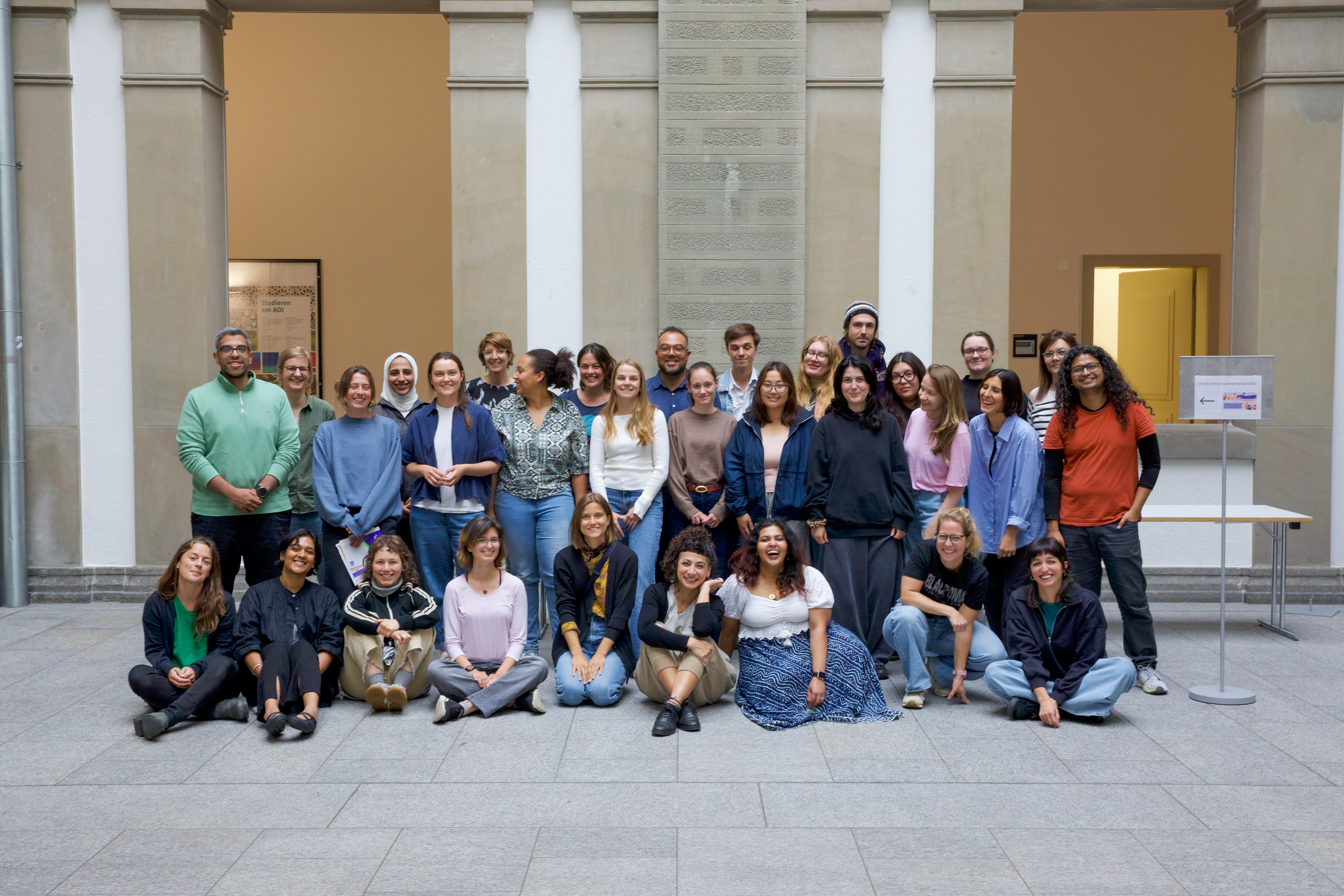
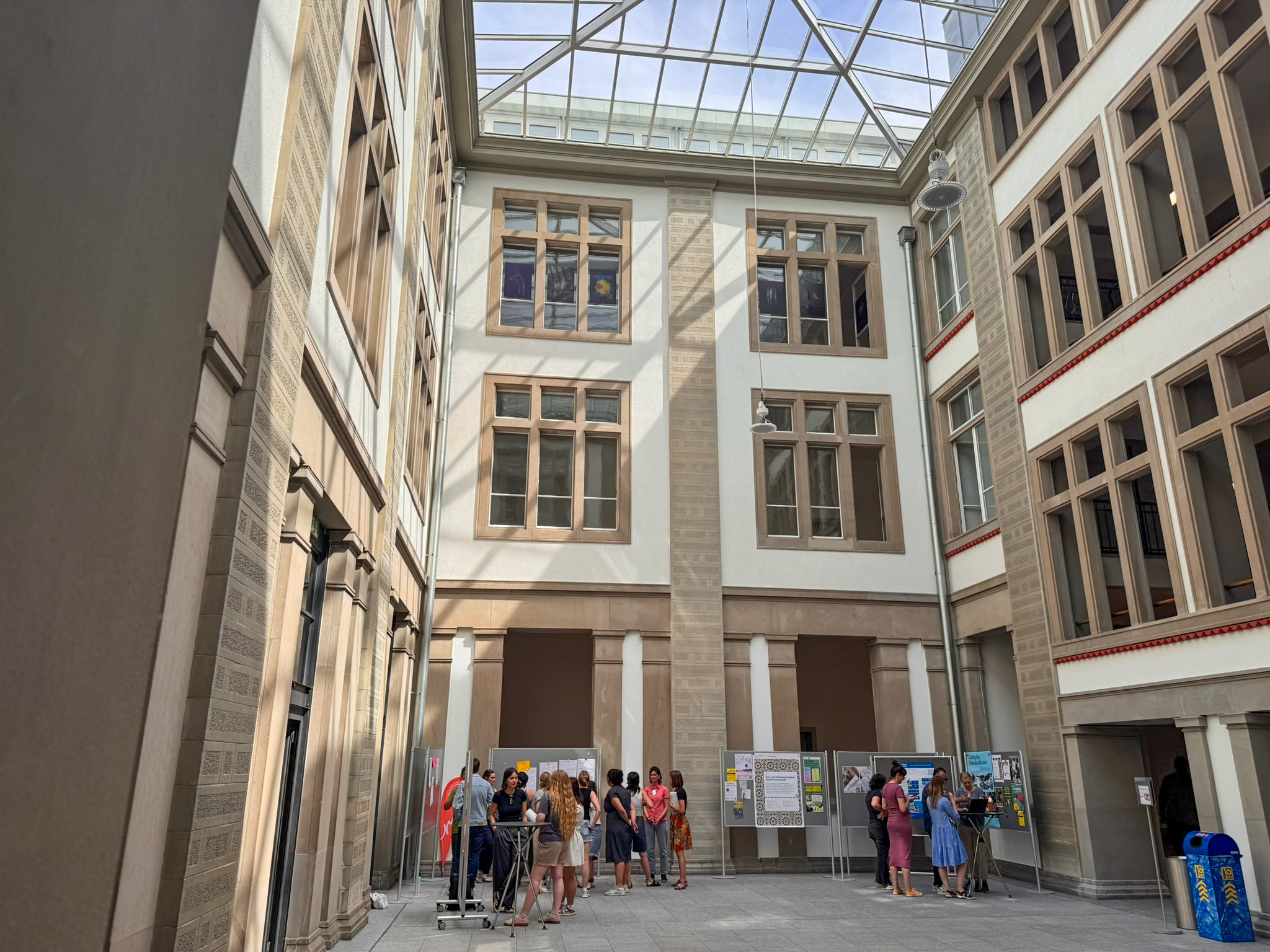
The fifth edition of our Citizen Science Schools at the University of Zurich consisted of a week full of new acquaintances and lively discussions amid beautiful summer weather. In a practice-oriented programme, 28 young researchers from 14 countries with diverse academic backgrounds learned skills and tools to successfully advance their own projects.
This Year’s Focus
This year's programme explored how Citizen Science can reshape the way research is conducted by asking fundamental questions about knowledge production: Who gets to participate? How can research become more inclusive? What role do power and lived experience play in shaping knowledge? And how can research become more socially and politically relevant?
Participants were introduced to current debates in and around Citizen Science through two complementary keynotes. In the first, Prof. Dr. Nivedita Prasad (Alice Salomon Hochschule Berlin) drew on feminist participatory action research and her decades-long experience as a social work researcher to challenge the notion of neutral research through the concept of situated knowledge. She argued that all knowledge is shaped by researchers' social positions and experiences, calling for critical reflection on power, the recognition of diverse forms of expertise, and research conducted with—rather than merely about—the communities it seeks to understand.
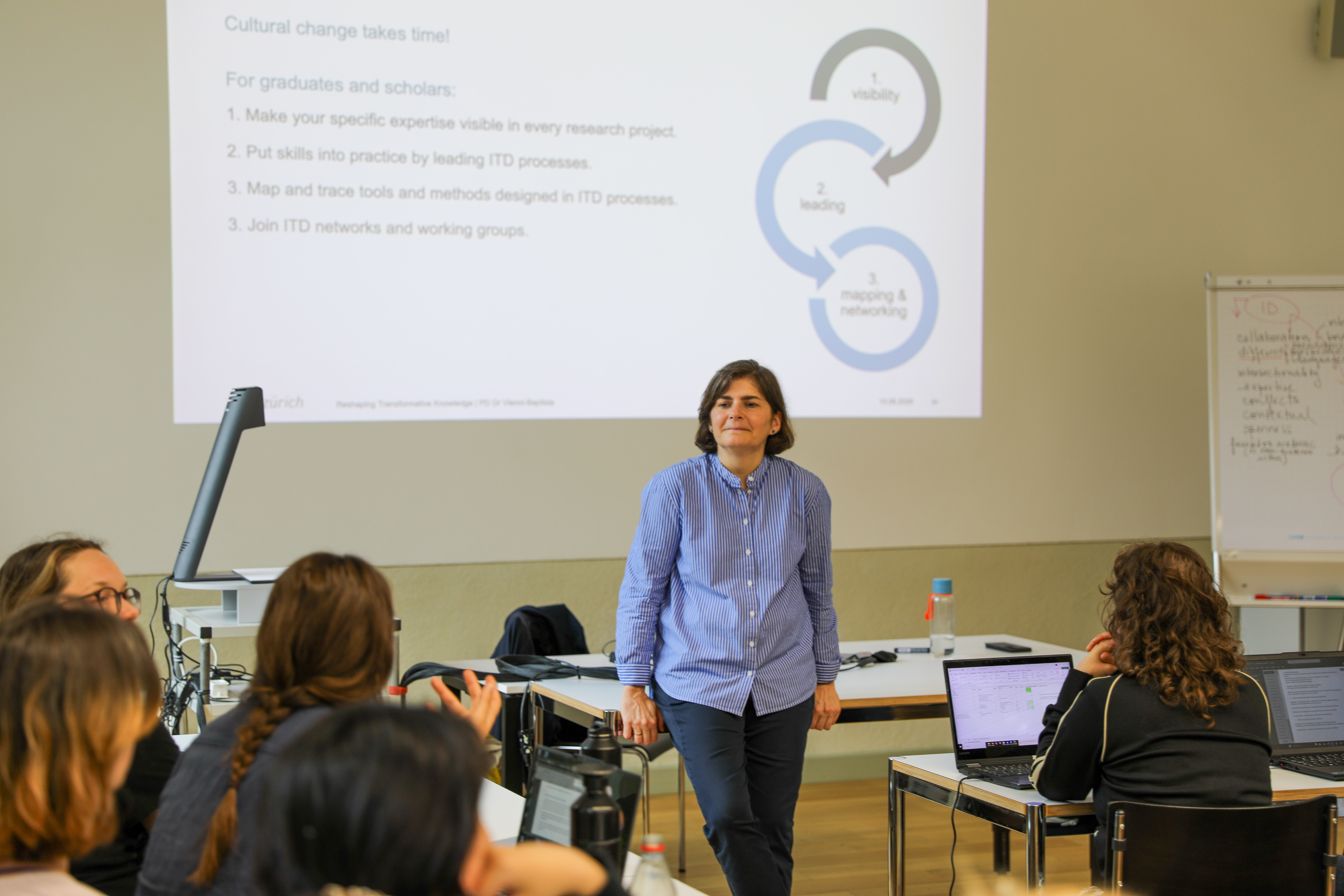
Building on this, PD Dr. Bianca Vienni-Baptista (ETH Zurich) examined how knowledge from science, policy, and practice can be meaningfully integrated to tackle complex societal challenges. She framed inter- and transdisciplinary integration as a dynamic and multidimensional process of negotiation between different forms of knowledge, experiences, values, and perspectives.
Feedback from participants: “I particularly liked the keynote on Monday by Nivedita. That was quite the eye-opener for me.”
“[I now have] a clear vision of what interdisciplinary and transdisciplinary mean.”
Learning from Research in Practice
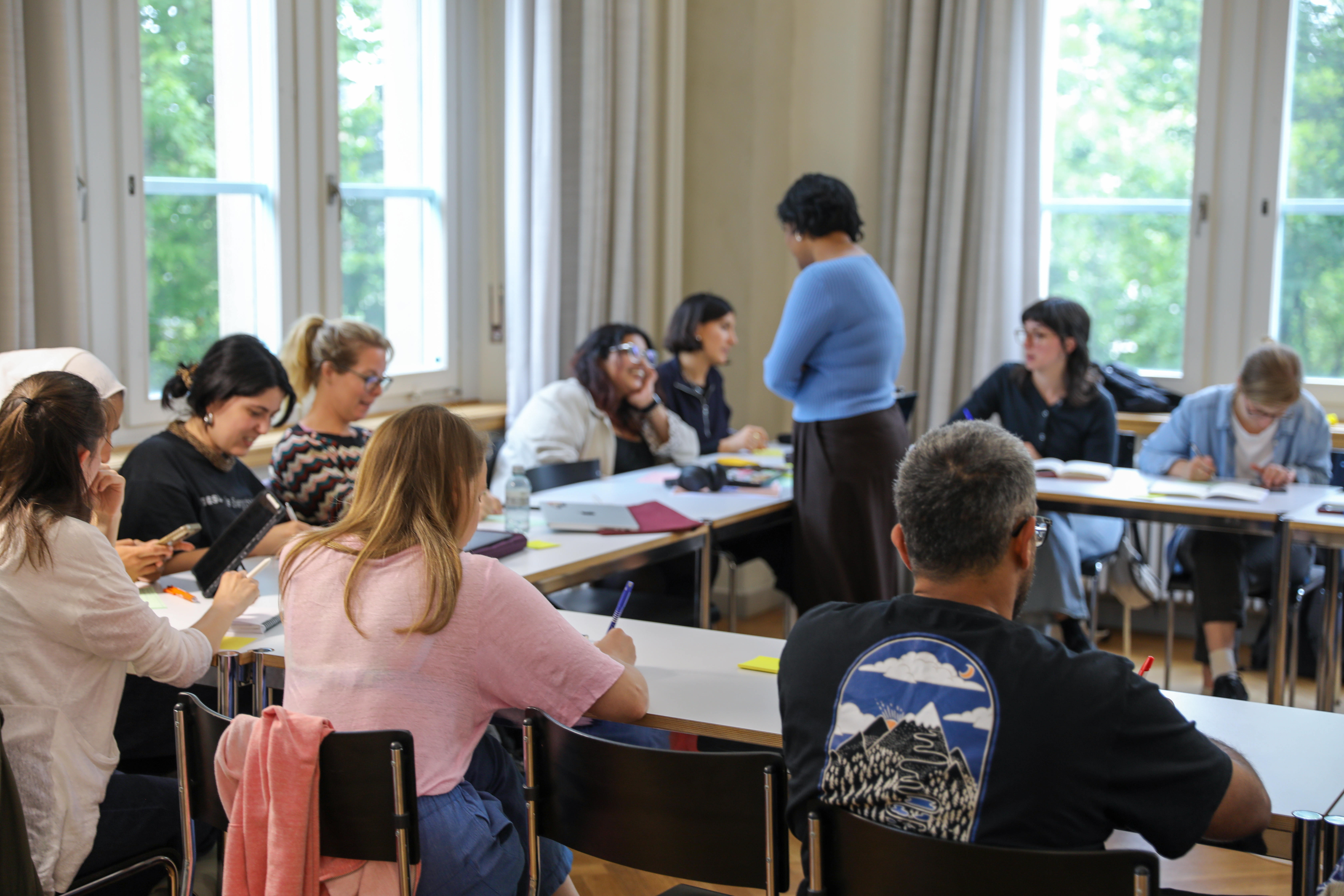
At the beginning of the Summer School, participants engaged with a wide range of projects that demonstrated how participatory approaches are applied across different contexts, as well as the opportunities and challenges they entail.
Tolullah Oni and Waziri Mainasara joined us online to present UrbanBetter, an infrastructure supporting youth-centred, community-led projects for healthier and more climate-resilient cities across Africa. Four Zurich-based initiatives with Dr. Hoda Allahbakhshi and Hannah Margaret Fairless (ZuReach), Angela Kolb (Jedes Alter zählt), Dr. Juliane Neuhaus (Wir sind Wetzikon. Zusammen), and Linnaea Cahill (CrowdWater) shared insights into the design, implementation, and lessons learned from their Citizen Science projects. Six participants from the Summer School also presented their own research, receiving feedback from peers.
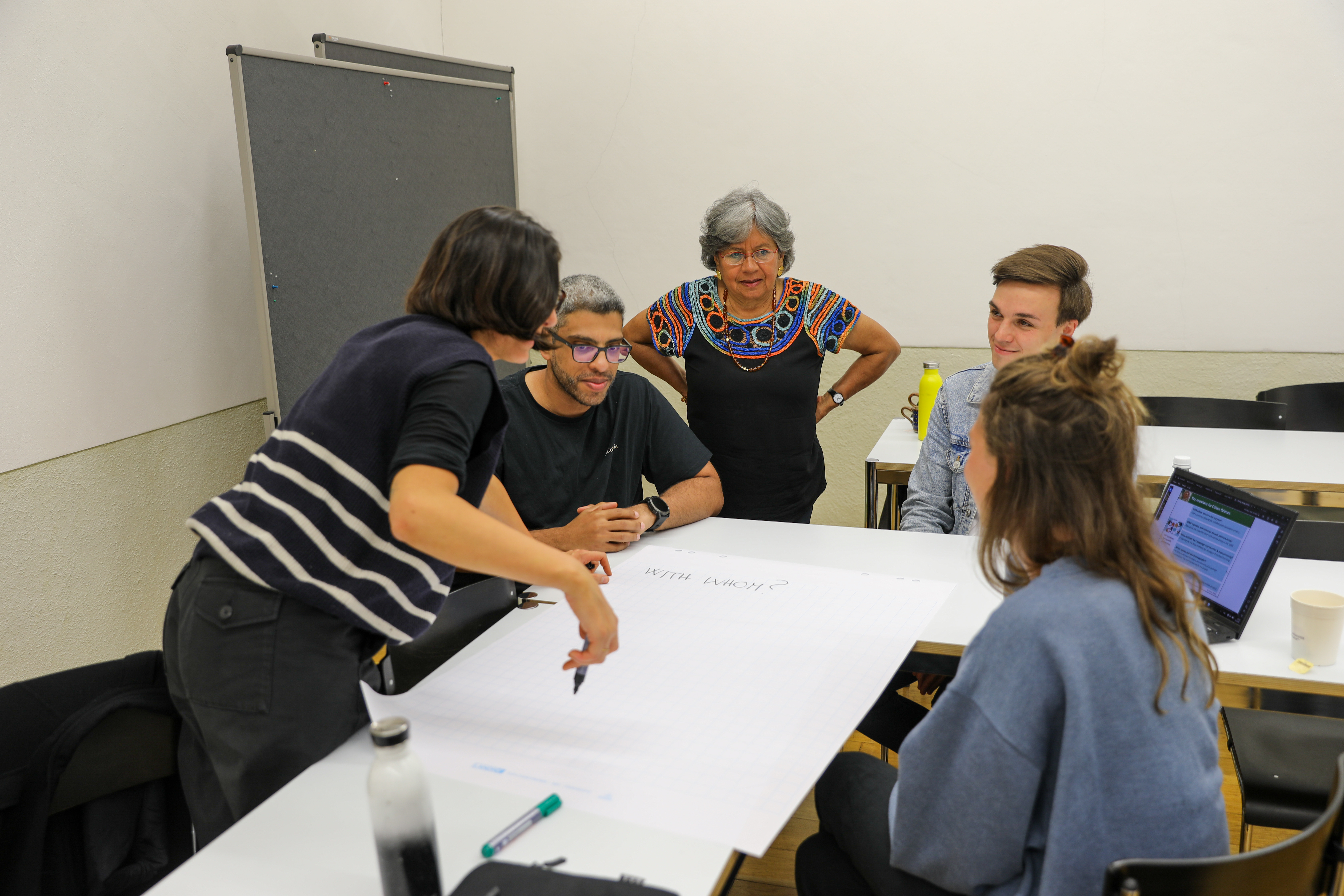
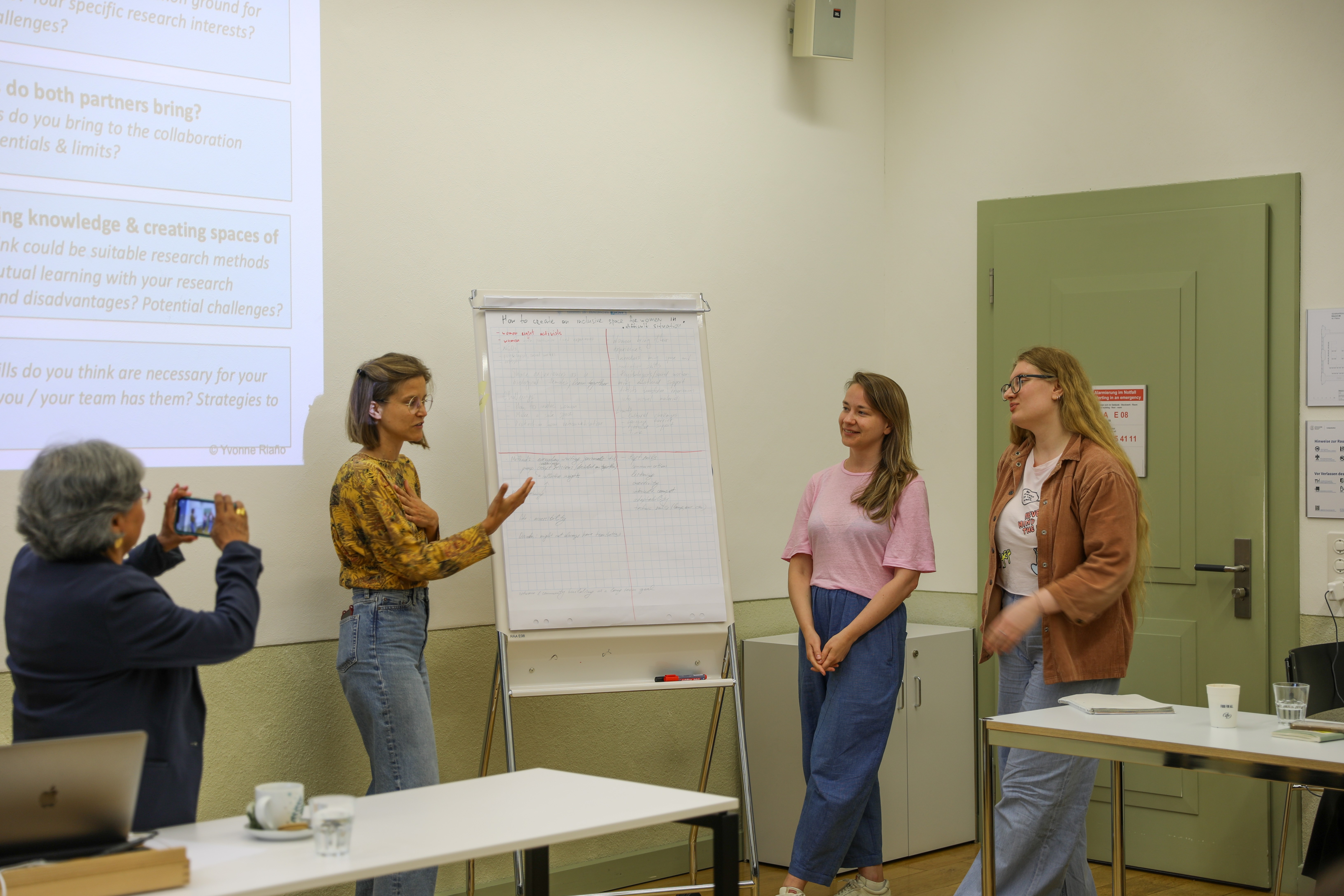
Throughout the rest of the week, participants further developed their skills through interactive workshops exploring decolonial approaches to research, conducting research with marginalised communities, community engagement and management in Citizen Science projects, research design, and pathways to creating societal impact. Led by our long-standing partners Dr. Yvonne Riaño, Pia Viviani, and Dr. Ruth Förster, alongside colleagues from our centre, Olivia Höhener and Melanie Brand, the sessions combined practical tools with critical reflection on how participatory research can be designed to be both inclusive and impactful.
“[I’ve learned about] new and fun ways to engage citizens in participatory projects.”
“Almost everyday I got the opportunity to learn from real-world projects which really demystified citizen science for me.”
Learning from Each Other
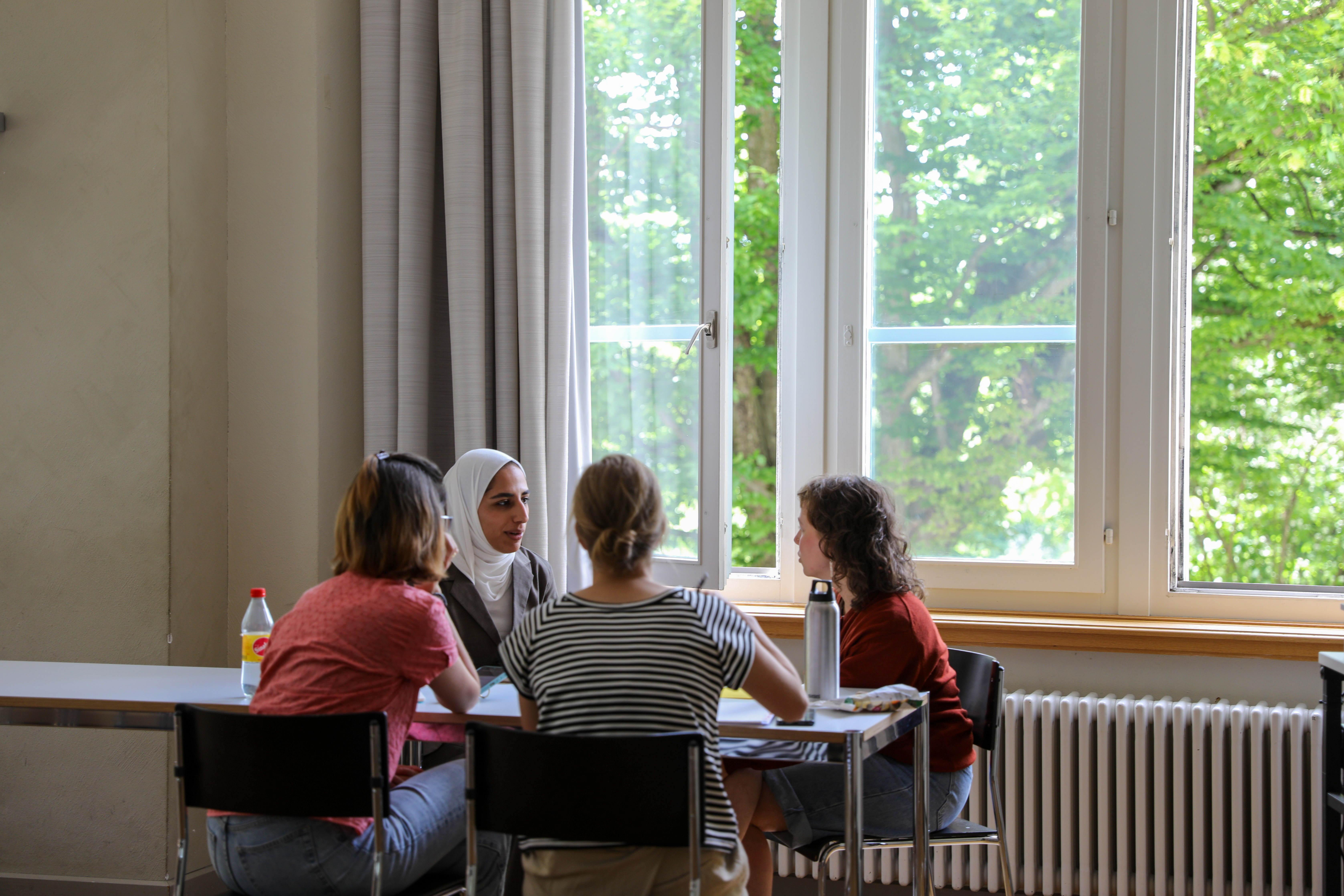
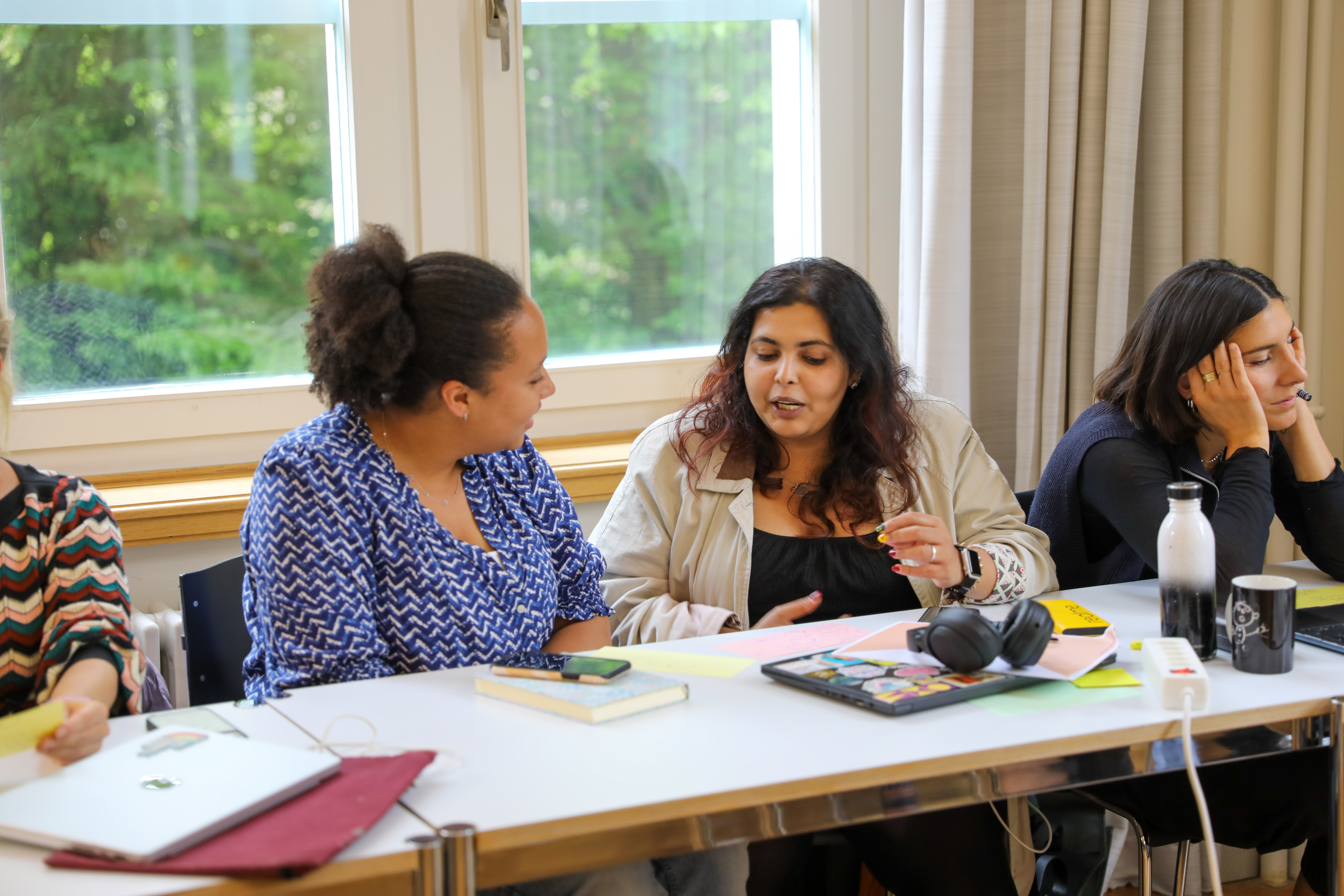
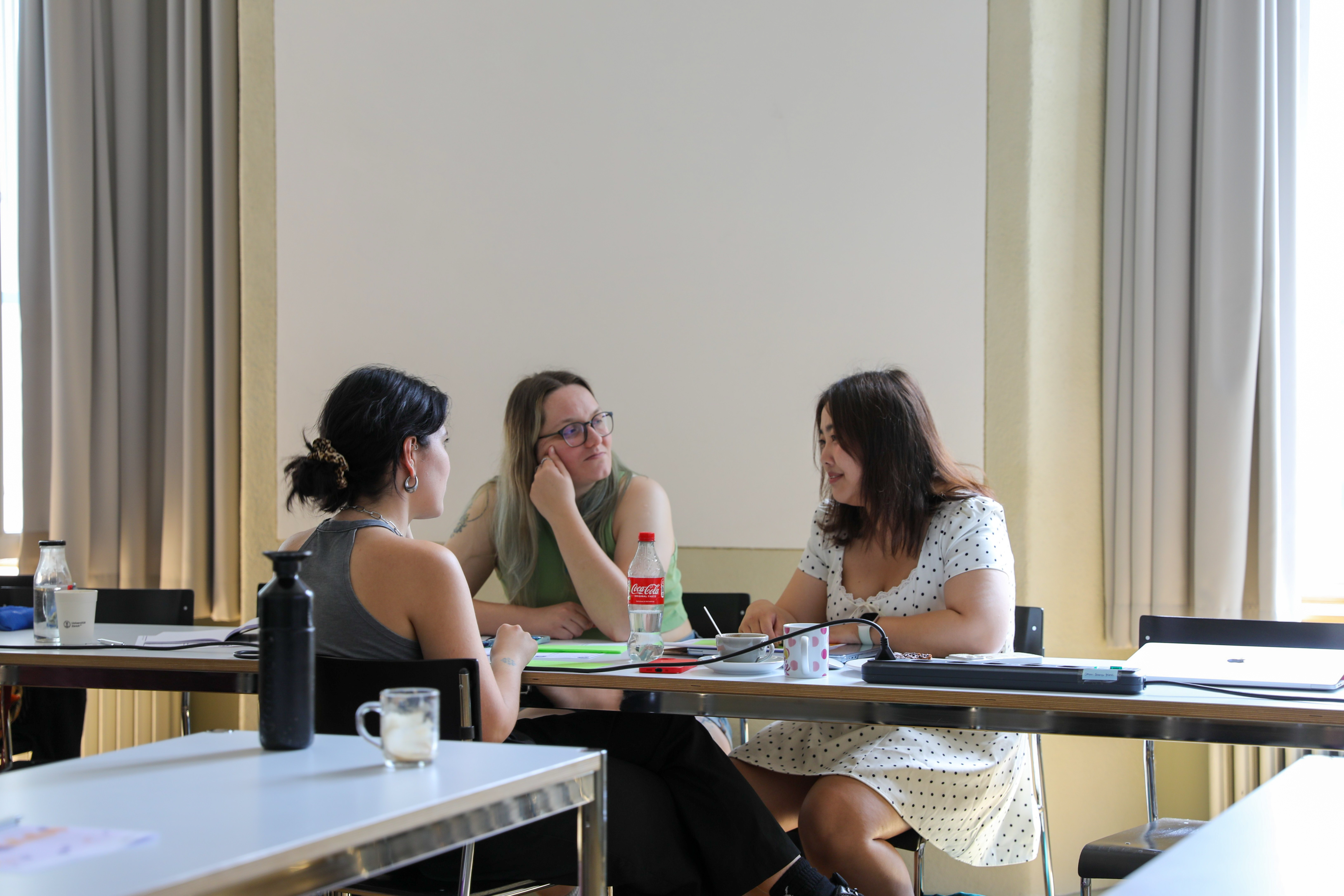
Peer-learning remained a central element during the Summer School, most notably during the Bar Camp. In this format, instead of a fixed programme set by the organisers, the participants decide on topics collectively and self-organise how the sessions run. This was their chance to explore questions or challenges that interested them most. They came up with ten participant-led sessions on topics including exploring creative and artistic ways of doing research, ethical considerations of research, a reading circle, and learning from each other's methodological experiences.
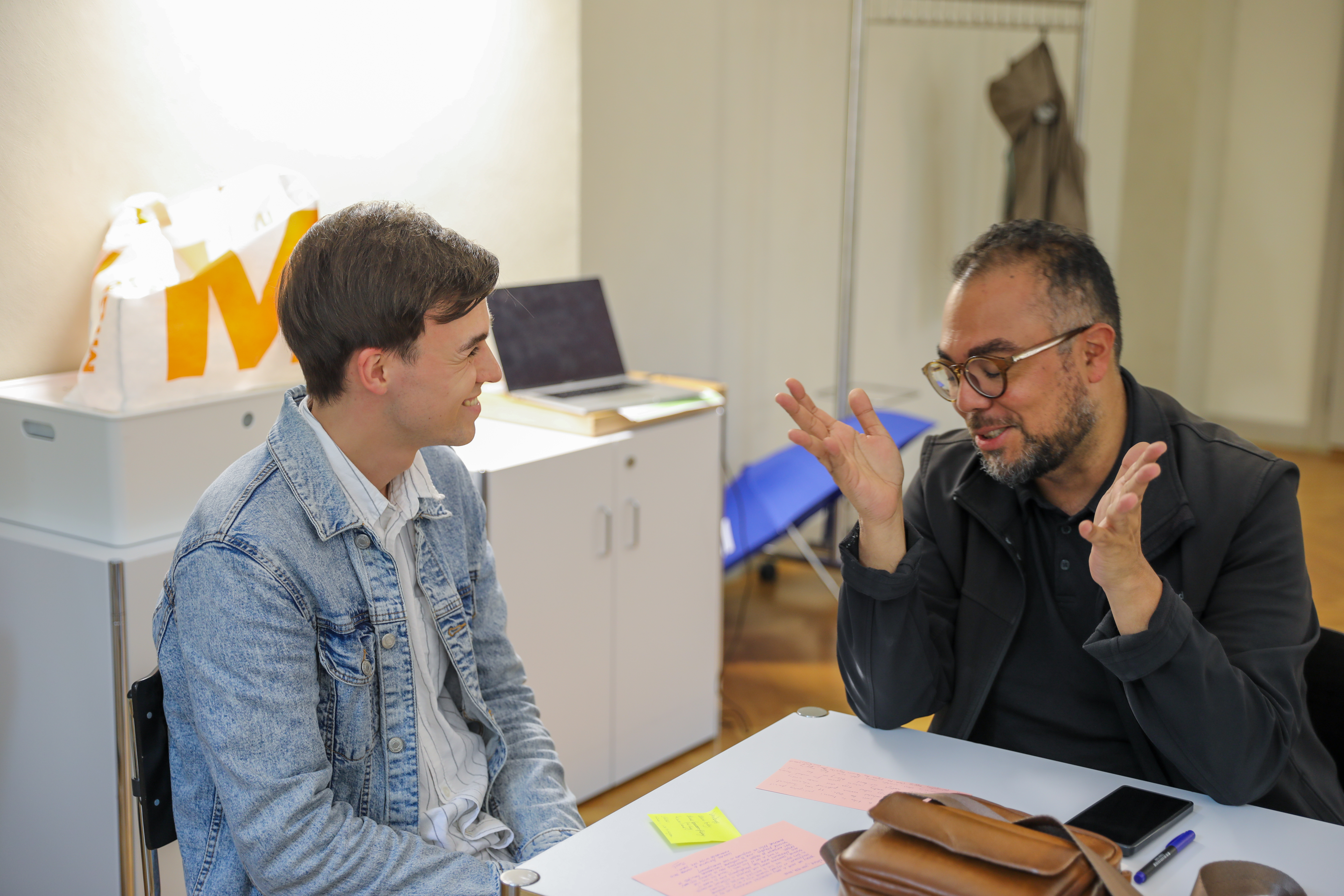
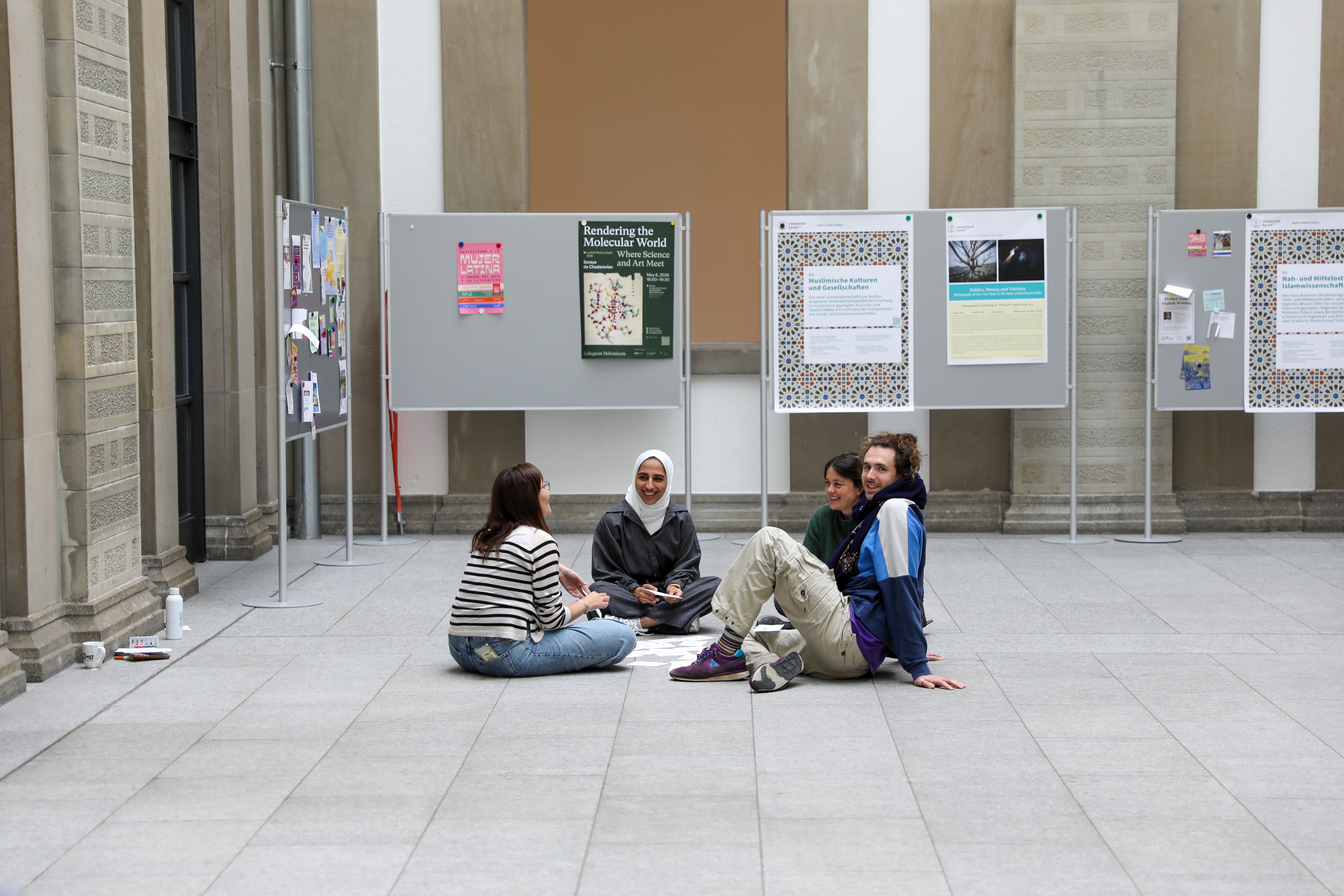
Interactive formats were generally an important part of the learning experience: Reflection sessions after each workshop gave participants the space to discuss with their peers what they had learned and how it related to their own research practice. Equally important were the informal moments between sessions, by intentionally allowing for long breaks, often where some of the most valuable learning and connecting takes place.
“The breaks were long and we had time during evenings so there was plenty of time to interact with each other, I loved that!”
“I benefitted from the other participant’s background a huge amount. I thought it was very valuable to talk with people.”
Learning from a Changing Institution
An excursion to the Ethnographic Museum of the University of Zurich added a practical case study on two current topics: one, on the collaborative renaming process of the institution, and two, on collaborative curation and archiving together with groups whose personal history is entangled with the museum. The descendants of colonised people, whose objects make up a large part of the museum’s collection, and whose knowledge about these objects and relations is crucial, are regularly invited to intervene in the format “Rumble in the Archive”. The summer school participants reflected on how to transfer insights about participation from these processes into their own projects. Thank you to Prof. Dr. Alice Hertzog, Linda Addae, Dr. Alexis Malefakis, and Dr. Rohit Jain.
“[I liked the] diversity of instructors, hands-on and theoretical perspectives, both top-down and bottom-up activities, such diverse group of participants and super interestingly set activities.”
Future Plans
The week concluded with the development of individual action plans, ensuring that participants could depart with concrete next steps for their projects. Overall, the summer school reflected our broader commitment to open, diverse, and inclusive science and to research done with and for the public.
“Now I feel like an expert ;-) I also feel that [Citizen Science] should be like standard in empirical training.”
The Mercator Foundation Switzerland made it possible for us to organize the Citizen Science Summer School. We are very grateful for their support and are looking forward to the next Citizen Science School in January 2028 (date tbc). Follow us for more updates!