Naming Together: Who Gets to Name Museum Objects?
Context
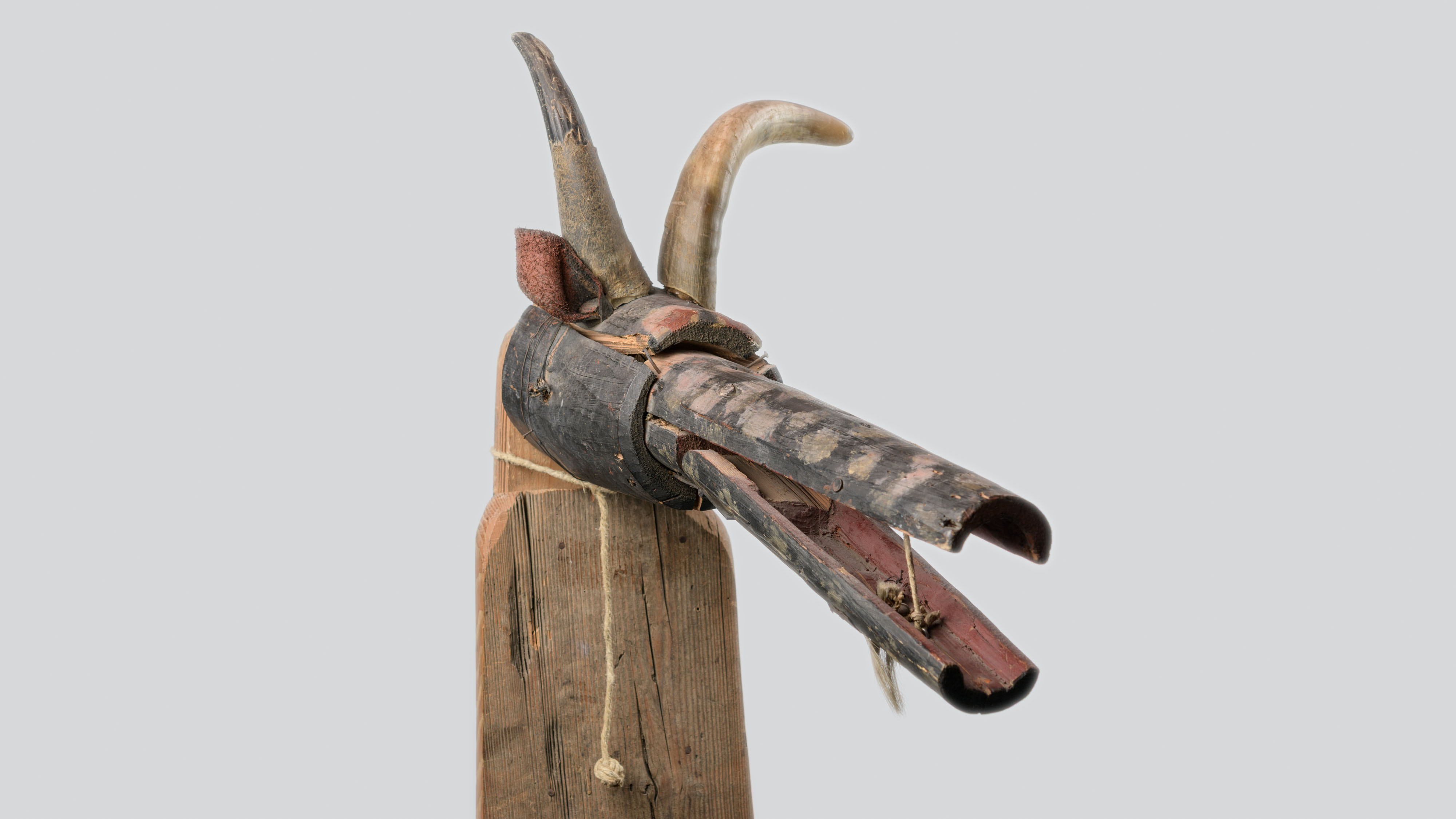
The Ethnographic Museum at the University of Zurich is undergoing a collaborative renaming process, presented in the exhibition Neubenennen (09.26–10.27). Through this process, community partners have drawn attention to a broader issue: many objects in the collection are named and described using inaccurate, outdated, racist or Eurocentric terms. These names reflect historical sys-tems of knowledge and power rather than the objects’ own meanings.
The project therefore shifts attention from the museum’s name to the names of the objects it holds. It asks how different forms of knowledge can contribute to making collection information more accurate, respectful and inclusive. This builds on the museum’s wider aim of strengthening knowledge co-production and community participation.
About the project
The project aims to develop more accurate, respectful and inclusive names and descriptions for museum objects by bringing different forms of knowledge into the research process.
Community partners contribute cultural knowledge and lived experience; digital specialists explore new ways of working with collection data; and artists and members of the public experiment with different approaches to naming and representation. The results are incorporated into the museum’s collection data and made available online.
The project also explores how museums can share authority over collections and develop more participatory approaches to research and knowledge production.
Project phases
- Project development and framing – Spring/Summer 2026
The project is developed with all partners alongside the curation of Neubenennen. Participatory elements are designed with community partners. - Planning and co-design – Autumn 2026/Winter 2027
Research questions and methods are refined with the partners. Community partners begin collections-based research and workshops; family activities are developed with 1002F; and machTheater undertakes an artistic research residency. - Implementation – Winter/Spring 2027
Partners work directly with the museum collection to research and rename objects. Digital approaches are tested through the OpenGLAM Hackathon, and Local Contexts tools are explored for integrating Indigenous data protocols into the museum database. - Dissemination – Spring/Summer 2027
Results are presented through Neubenennen, public activities and artistic interventions. Revised object names and descriptions are integrated into the museum’s online collection. - Evaluation – Summer 2027
The project is evaluated together with the partners, and the results are used to develop future collaborations and integrate participatory methods into the museum’s ongoing work.
Involvement of citizen scientists
The project brings together a diverse network of citizen partners with different forms of knowledge and expertise. The network includes community knowledge partners, who contribute cultural knowledge and lived experience; digital innovation and data sovereignty partners, who experiment with tools and approaches for working with collection data; and public engagement and inclusion partners, who develop ways of involving broader and more diverse audiences. The Ethnographic Museum acts as a hub connecting these different forms of participation and enabling new collaborations to emerge.
Core community partners, including Studiyo Filipino and Mapoon Aboriginal Shire Council, participate directly in researching and renaming objects from their respective regions. The Swiss OpenGLAM Working Group contributes through digital experimentation and a hackathon, while Local Contexts supports approaches to Indigenous data sovereignty. MachTheater brings artistic and lived perspectives on naming and representation, and 1002F Bookshop develops participatory activities with children and families.
Participation therefore ranges from close co-production with community partners to contributory participation by wider publics. Participants contribute knowledge that the museum does not have, help question existing classifications, develop new approaches to collection data, and shape how objects are represented. Their contributions feed directly into the research, exhibition and revised collection information. Wider publics can participate through the exhibition’s interactive station and public activities, with opportunities for additional participation developing as the project progresses.