CrowdWater: Collecting water data with your smartphone
In the University of Zurich's Citizen Science project 'CrowdWater', the public collects water data via an app developed specifically for the project. The data is important for simulating water runoff from rivers and streams using models, thereby improving predictions of extreme events such as droughts or floods. Jan Seibert tells us more about the project.
The interview was conducted in writing.
Ursina Roffler: Could you briefly summarize what the Citizen Science project “CrowdWater” is about and what the goals of the project are?
Jan Seibert: CrowdWater is about investigating how the public could be involved in collecting hydrological data. We are particularly interested in investigating the extent to which data collected by the public could contribute to better hydrological simulations and predictions.
How are citizen scientists involved in the project and, more specifically, how can interested individuals participate?
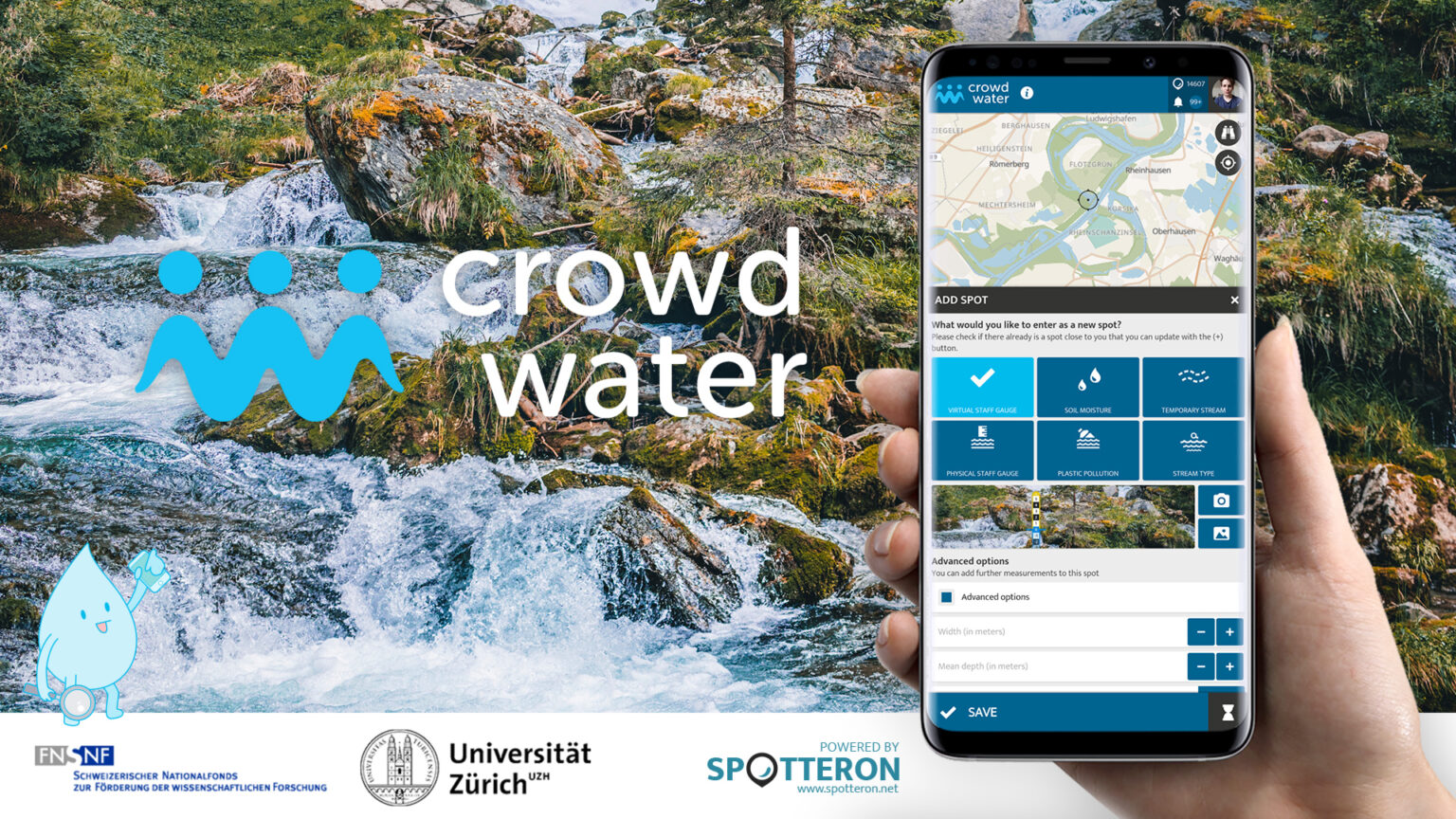
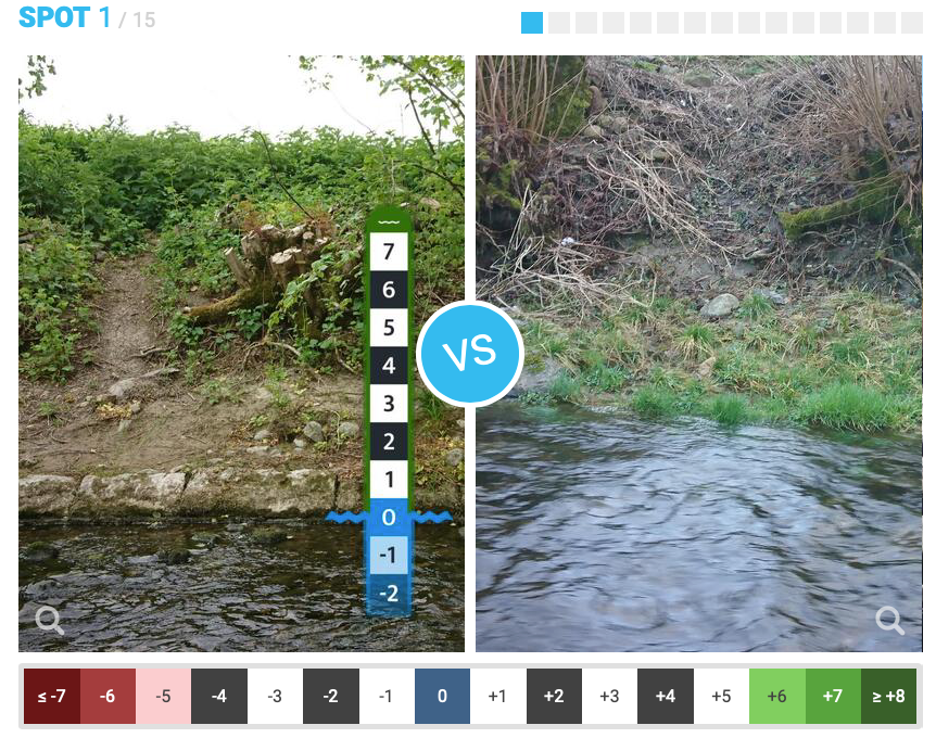
It's very simple. Anyone who wants to participate can install our app. The CrowdWater app is available for Android and iOS in various languages, including all four national languages of Switzerland. With the app, you can then make observations at existing stations (‘spots’) or create new stations. In the current version of the app, we have six different categories: water level with a virtual or real measuring stick, soil moisture, streams running dry, plastic pollution, and the general condition of a body of water. We have compiled various instructions and further information on our website.
How do you inform and motivate the public to participate in the project? Do you have any tips and tricks for other projects that work particularly well?
Public relations work is incredibly important in projects like these, but it is also time-consuming. Many people are fundamentally interested in water and want to help collect data. Ultimately, however, it is often relatively few “super users” who collect the majority of the data in Citizen Science projects. That's why it's always difficult to say what really works. If you can attract a new super-user, it's worth organizing an event that might otherwise not have been so successful. I think a mix of personal contacts, social media, and other media is a good approach. It's also important to maintain direct contact with active participants.
Additional Information
When many different people collect data, the question of data quality often arises. How do you ensure that the observations entered by participants are of good quality? What is your experience in terms of data quality?
Yes, the quality of Citizen Science data is often questioned. Our experience has been rather positive in this regard. The data quality is generally good, as we have found in various studies. And then we have the CrowdWater Game, which allows the public to participate in data quality control.
CrowdWater has been running since 2016. What insights have been gained so far?
The first phase was all about getting the project off the ground, developing the app, and raising awareness of CrowdWater. Then we were able to add further categories. We also examined the potential value of the collected data in various studies. This is generally quite encouraging; despite all the uncertainties, it shows that Citizen Science data can provide clear added value. Citizen Science projects often fall dormant after a few years. I think it is very valuable that CrowdWater has been around for many years now. This has resulted in collaborations that would not otherwise exist.
What are the next steps for the project? How will it proceed?
Unfortunately, it is becoming increasingly difficult to secure long-term scientific funding. However, we will definitely continue the project, with more or less funding depending on the circumstances. We have recently started an exciting collaboration in Africa and will be focusing more on predicting extreme events. Linnaea has just started as a new doctoral student at CrowdWater, following on from four other doctoral students who have already successfully completed their work on the project.
What have you personally gained from the project?
CrowdWater is my favorite research project; it's just fun and has helped us make new contacts. I never expected our project to attract so much interest outside Switzerland. We have water observations on every continent. I find the applications in South America and now also in Africa particularly exciting. It's also nice to see that our app and data are being used in different ways, some of which we hadn't originally anticipated.
Thank you very much for the interview.